Swimming with orcas in Norway is an incredible experience and was an absolute dream come true. The beauty of the orca is undeniable. They are born into pods and stay by their mother’s side their entire lives, only leaving briefly to mate. Orcas are extremely intelligent and social creatures who calculate and strategize hunting techniques. I was able to watch this first hand while swimming with orcas in Norway and it was truly amazing.

Disclaimer: This post may contain affiliate links, meaning I may receive a small compensation at no additional cost to you. I only recommend products or services that I personally use and have been essential for me as a travel blogger.
Traveling to Norway? Don’t leave home without getting travel insurance! You never know when something could go wrong and you’ll definitely want to be covered by insurance! Click HERE to get a quote!
How to Go Swimming with Orcas in Norway
Norway is still one of the few places in the world where you can experience swimming with orcas in the wild. While many countries have strict laws that prohibit getting in the water with these animals, Norway takes a more regulated approach rather than a full ban. That said, the rules have become more structured in recent years, with clearer guidelines in place for wildlife interactions.
Tour operators must now follow stricter protocols when offering these excursions, including maintaining respectful distances, limiting time in the water, and ensuring encounters remain on the animals’ terms. The focus is heavily on ethical wildlife tourism, minimizing disturbance, and protecting natural behavior.
At the end of the day, the top priority remains the safety of the orcas and the safety of the snorkelers, making these encounters as responsible and respectful as they are unforgettable.

Good to Know: Since orcas are wild animals there is no guarantee that you will see them or be able to swim with them in the wild. Unfortunately you will not be refunded if you do not have any sightings. You will be refunded if the trip is cancelled due to inclement weather conditions. This happened to us the first day which is why I also recommend booking multiple days of snorkeling with orcas.
Where to Go Snorkeling with Orcas in Northern Norway
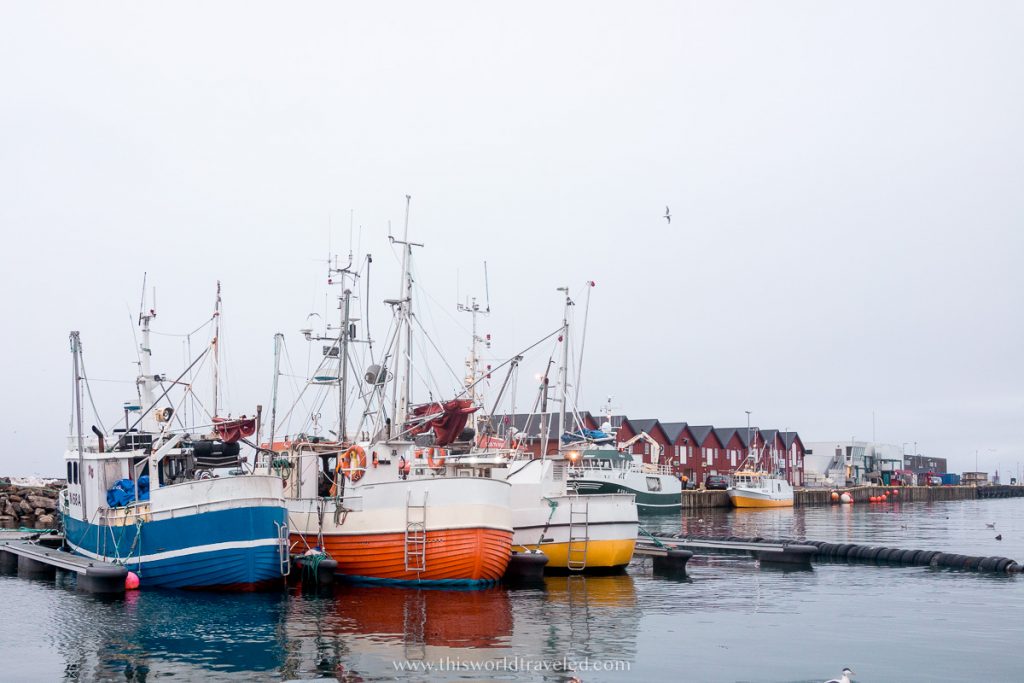
There are a few different locations in northern Norway where you’ll find tour companies offering excursions to snorkel with orcas, with most operations now centered around areas like Skjervøy and Tromsø depending on the season. I personally went with Lofoten Opplevelser AS when they were previously based out of the small fishing village of Andenes, though many companies, including them, now operate further north to follow the orca migration.

Good to Know: Before booking flights or hotels you should confirm with the tour company where they will be based and departing from for the excursions.
Lofoten Opplevelser Snorkeling with Orcas Info:
- Duration: 4 hours
- Cost: NOK 4,250 ($437 USD)
There are quite a few other companies also offering the orca safaris and snorkeling excursions in the winter. Most have changed their location in recent years due to the lack of herring in the Andfjorden. Many of these companies may also change locations halfway through the season depending on the feeding patterns of the orcas and humpback whales. Therefore it is always best to contact the company to receive confirmation of their snorkeling departure location for the season before booking any tickets.
Additionally some companies offer multi-day excursions, while others do only day trips.
Other companies that offer orca snorkeling trips
- Orca Norway (multi-day trips)
- Valhalla (multi-day trips)
- Orca’Dadventure (multi-day trips)
- Whale Safari (day trip)
Swimming With Orcas: What is it Like?
Out of the three days I stayed in Andenes, I booked two for snorkeling with orcas, knowing full well how unpredictable conditions can be in northern Norway. On the morning of my first scheduled departure, the weather had other plans. Strong winds rolled through, and by the time we arrived at 9 a.m., the crew warned that the seas were likely too rough to head out. We waited it out at the hotel while they monitored conditions, but by 11 a.m., with winds reaching 21 meters per second (about 46 mph), the trip was officially canceled.
It’s a good reminder: flexibility is essential when planning an experience like this. Thankfully, the weather shifted overnight, and the following morning was calm enough for us to go.

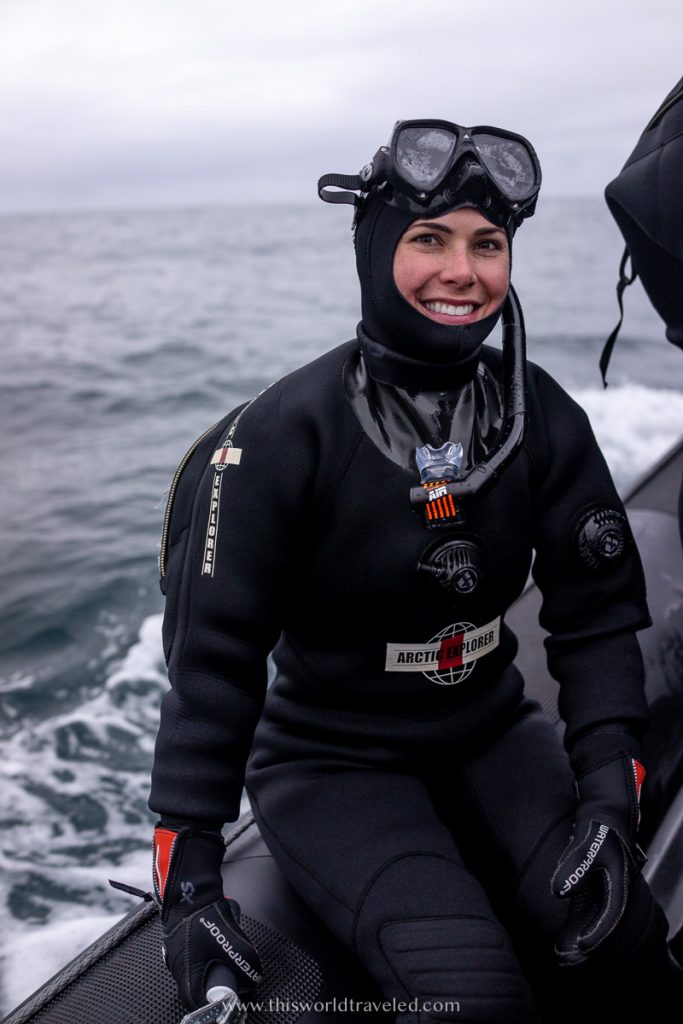
When you arrive at the meeting point, the experience begins with a briefing from the crew, covering safety procedures, expectations in the water, and insight into orca behavior. From there, you’re guided into a changing room and suited up in a dry suit, along with insulated booties, gloves, and a hood to prepare for the Arctic waters.
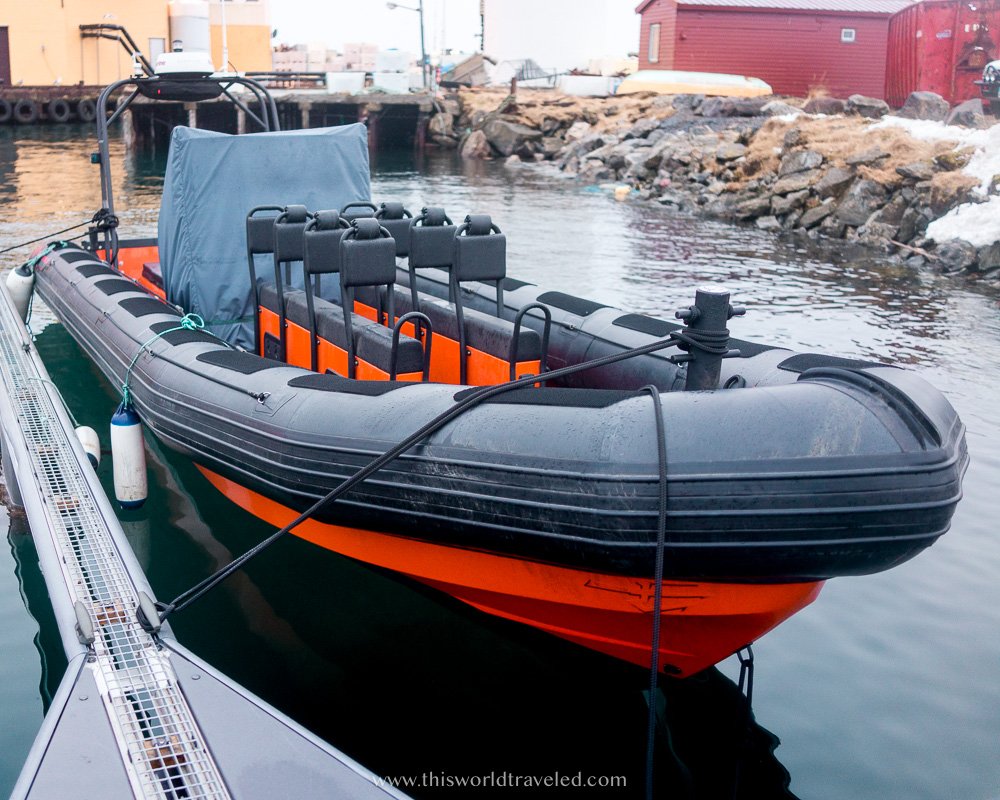
You can leave most of your belongings, parkas, snow pants, and valuables, back at the hotel, but anything you plan to use, especially camera gear, should come with you (and be ready to get wet). From there, a van takes you down to the harbor where you’ll board a Rigid Inflatable Boat (RIB) for the excursion.

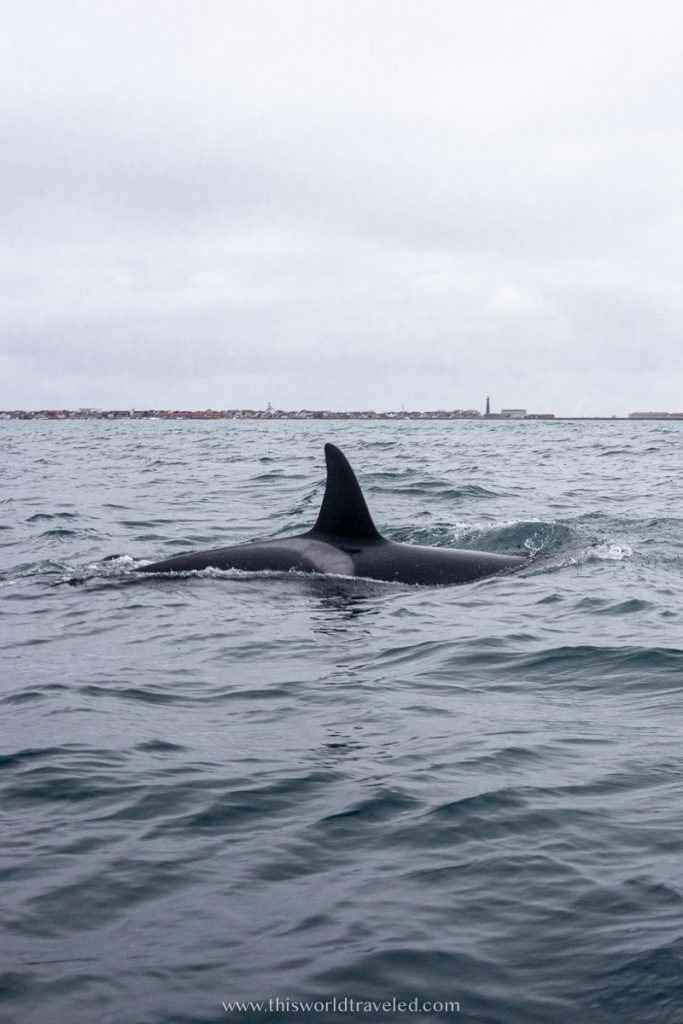
On my trip, the seas were relatively calm, making for a smooth ride out into the fjords. Not long after leaving the harbor, we spotted orcas feeding on schools of herring. Their tall dorsal fins sliced through the surface as they moved powerfully through the water, surfacing and diving in fluid, almost synchronized motion.
As we approached, the crew cut the engine and let the boat drift. We sat along the edge, legs dangling over the side, gently rocking with the waves as we waited. The pod was moving toward us. Then came the signal from the crew.
One by one, we slipped quietly into the icy water.
The key once you’re in is to remain still and silent with no splashing or sudden movements, just floating. The dry suit keeps you buoyant at the surface, allowing you to conserve energy and focus entirely on what’s happening below.
I was incredibly lucky with visibility that day. As I looked down into the deep waters, I could clearly see the orcas gliding beneath us. Massive, powerful, yet unbelievably graceful. They moved effortlessly through the water, passing just meters below our group. It was surreal. The only thing separating us from these apex predators was a thin layer of icy ocean.
After the pod passed, we waited for the boat to circle back and pick us up. Climbing back onto the RIB, especially with wet gear and camera equipment, was no small task, but the adrenaline made it all worth it. We repeated this process several times: positioning ahead of the whales, waiting, slipping into the water, and witnessing the encounter all over again.

A quick but important tip: always book multiple days if you can. Weather cancellations are common, and having a backup day can make all the difference.

Throughout the entire experience, the crew at Lofoten Opplevelser AS were professional, knowledgeable, and incredibly supportive. Every step of the process felt safe, respectful, and centered around minimizing impact on the animals.
Swimming with orcas is, without a doubt, one of the most unforgettable experiences I’ve ever had and something I would recommend to anyone given the opportunity.
What to Wear & Bring for Snorkeling with Orcas in Norway
You will be given a dry suit to wear for your swimming with orcas excursion which will keep you nice and toasty in the frigid waters of northern Norway. Luckily with a dry suit you are able to wear normal clothes underneath which you will absolutely want to do. The best clothing to wear under the dry suit are:
- Thermal underwear of pants and long sleeve shirt (wool, merino and fleece are the best)
- Thick wool socks
- A fleece jacket or wool sweater (my favorite brand for wool clothing is SmartWool or IceBreakers)
You can add an extra layer of pants if you need to but you also want to make sure that you aren’t too hot as well. Your guides will help you decide how much clothing underneath the drysuit is necessary but bring some extra pieces just in case. You will also be given a pair of gloves and a cap to cover your head. The neoprene is very thick on the cap and gloves but they will still get wet. Your head, face and hands will be exposed to the water which will be very cold.
Very Important:
Do not go snorkeling with orcas if you suffer from any medical condition which prevents you from being in frigid water. You also need to be a fairly good swimmer and confident in the water. You should also be familiar with using a snorkel and mask. Snorkeling with orcas is not suitable for a beginner swimmer or someone who has never snorkeled before. It can actually be very dangerous for an inexperienced swimmer or snorkeler and you will most likely not be allowed to go if you have no prior experience.
Exploring Andenes & Seeing More Orcas
If you have extra time in Andenes, or wherever the swimming with orcas excursions are based out of, take some time to explore the surrounding area. Norway is a gorgeous country and the regions in the north offer some incredible landscapes and fjord views.

On my last day in Andenes, I decided to walk around town and explore some of the quaint buildings and sights. Luckily I went inside the tourist information office and was informed about a small pod of orcas nearby. Turns out, a couple of male orcas were feeding just off a local rocky point called Sponna about four kilometers away.
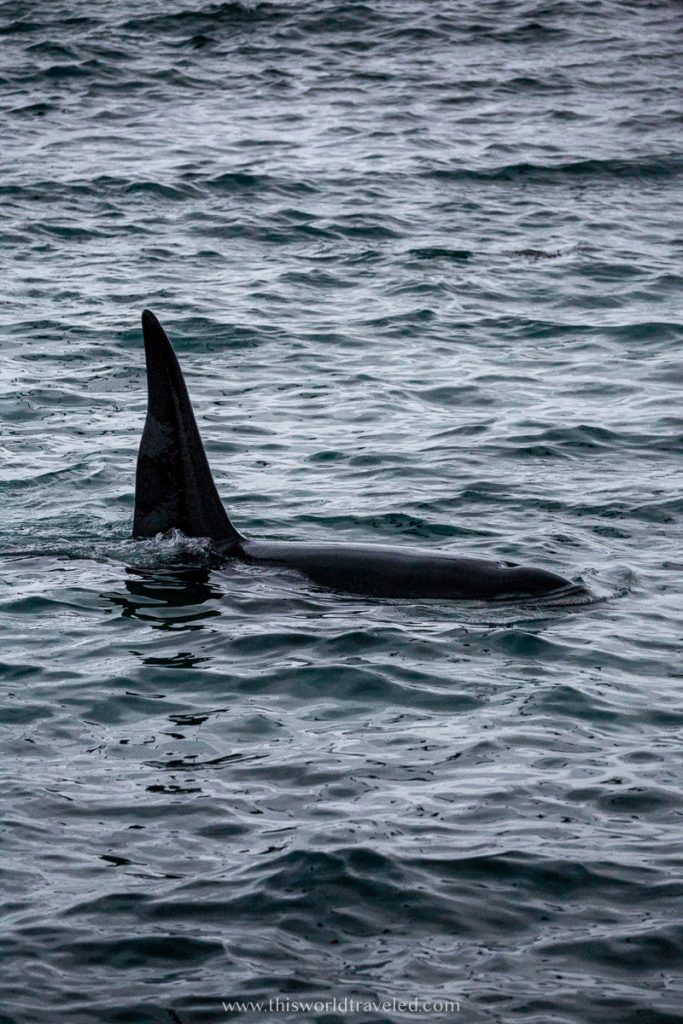
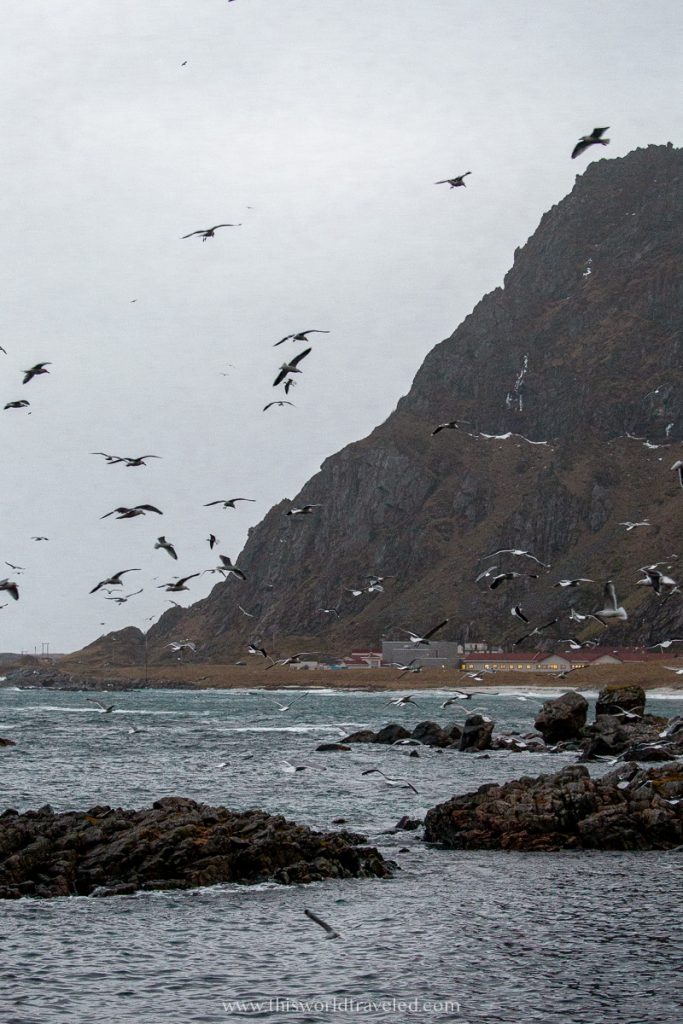
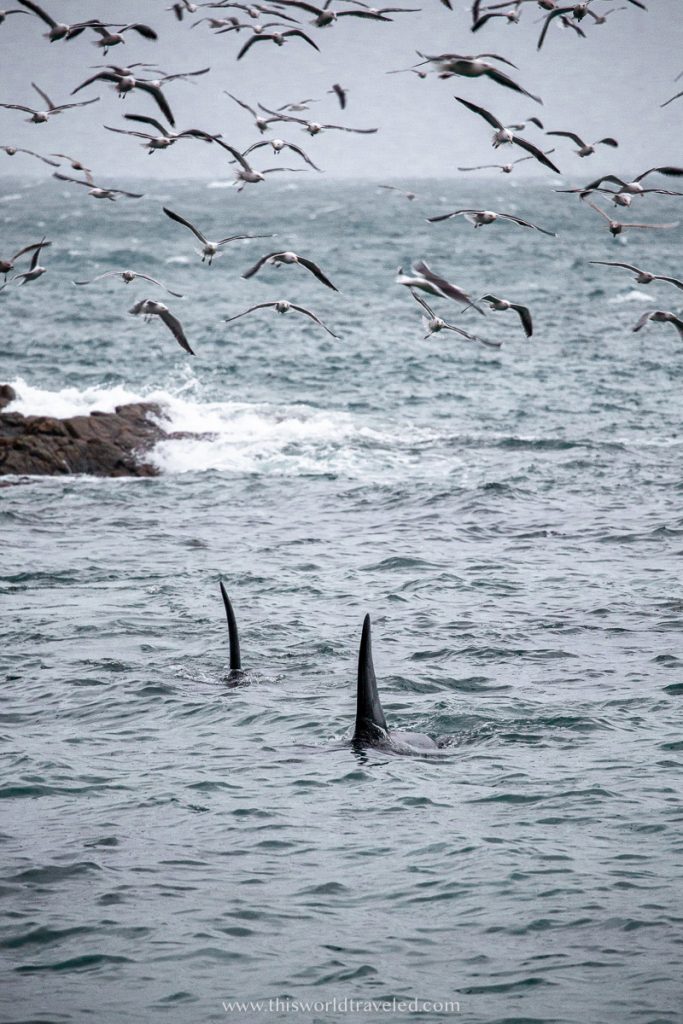
Arriving at Sponna I was at least four orcas feeding a few hundred feet from the shore in a small cove. Locals and tourists parked their cars along the side of the road and clambered over the rocks with their cell phones and cameras on tripods to document the rare event.
The orcas swam in circles, rounding the herring into balls and stunned them with slaps from their tails. The repeated the same behavior for hours and I felt so lucky to have witnessed it.
When to Go Swimming with Orcas in Northern Norway
The season to go snorkeling with orcas typically runs from the end of November until the beginning of February. This is when the Orcas will be in the fjords and you have the highest chance of an encounter.
I went during January because research showed that January in Andenes was typically the best time for stable weather. Since the weather plays an important part in whether a trip will run or not you want to make sure you are there during the right time.
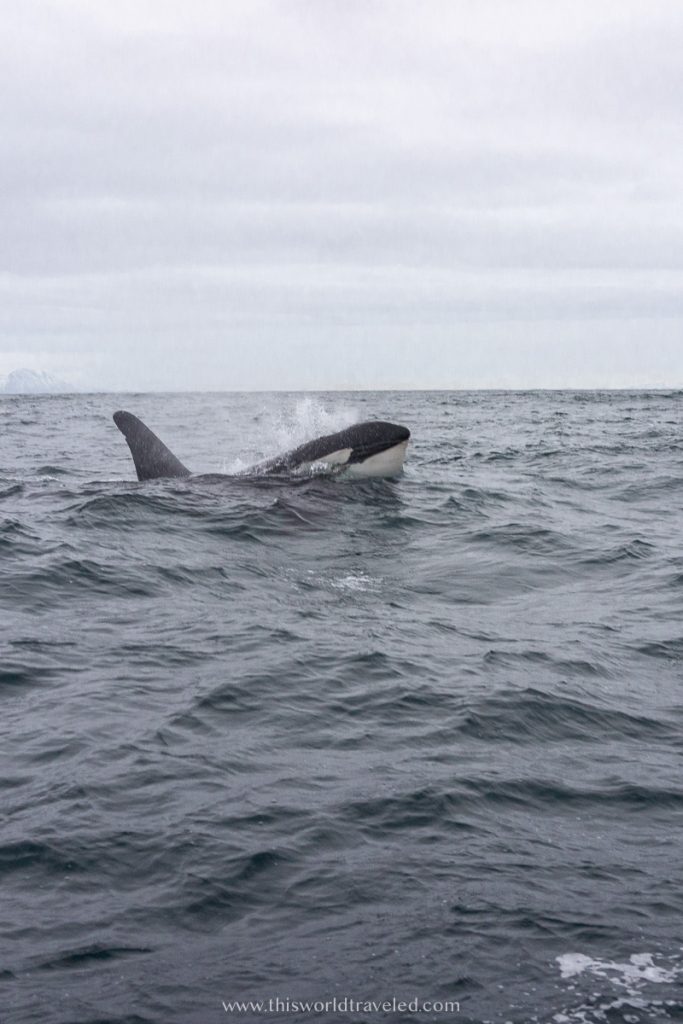
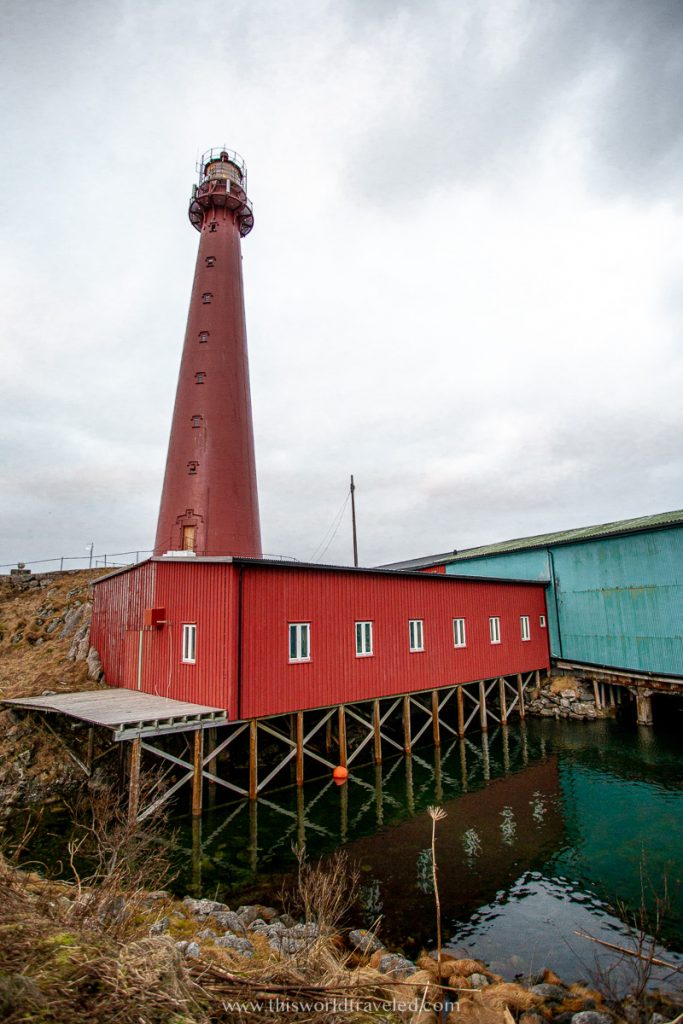
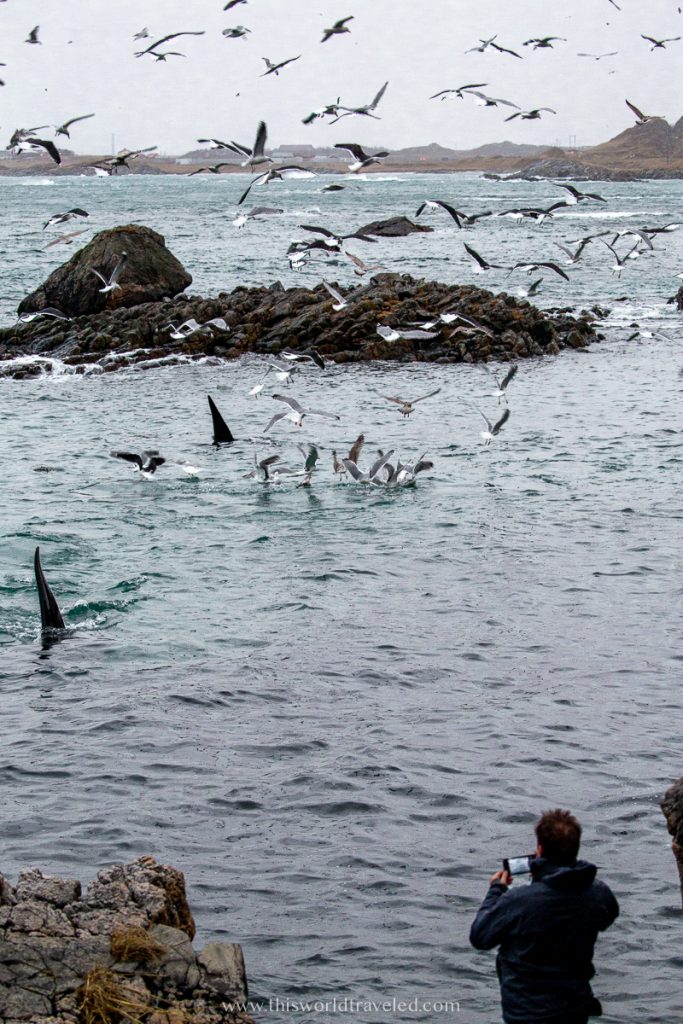
However, the season and months can change ever so slightly depending on the pattern of the herring. Therefore it is always best to contact the company and ask them which months the season runs for that year. Most likely they will also update it on their website so you can always check there as well.
How to Get to Andenes, Norway
Andenes is the northernmost town on the island of Andøya, located in the Vesterålen islands in northwestern Norway. You can easily reach Andenes by taking a domestic flight within Norway into the Andøya (Andenes) Airport (ANX). Depending on where you are flying from you may have a short connection in either Tromsø or Bodø.
When I visited Andenes I was traveling from Tromsø so the journey was a quick 30 minute flight and cost less that $200 USD round-trip. I combined a trip to Andenes with Tromsø to chase the northern lights, go dog sledding and partake in other outdoor adventures.

The Andenes airport is very small and is located just a few kilometers from the center of the small fishing village. You can easily walk to your guesthouse unless the roads are covered in ice and snow. Since I visited in January to go swimming with orcas, the roads and sidewalks were covered in ice so I opted for a taxi.
Where to Stay in Andenes, Norway
When visiting Skjervøy for an orca snorkeling trip, most accommodations are small, locally run stays that reflect the quiet, remote charm of northern Norway. You’ll find a mix of waterfront cabins (rorbuer), apartments, and cozy guesthouses, many with incredible views over the fjords.
Because Skjervøy is a small island community, lodging options are limited and tend to book up quickly during peak orca season (October–January), so planning ahead is key. Staying close to the harbor is ideal, as most tours depart early in the morning and operate directly from there.

Many of the tour companies also partner with or offer their own accommodations, which can make logistics much easier, especially in winter conditions. Expect simple but comfortable stays, often with full kitchens, drying rooms for gear, and easy access to the docks. While you won’t find large luxury hotels here, the experience feels much more intimate and connected to the surrounding landscape.

When I took this trip, I actually stayed in Andenes, as that’s where the excursions were operating out of at the time. Since then, most of the activity has shifted north to Skjervøy to better align with the orca migration patterns. So while Andenes was once a primary base, Skjervøy is now the place to be if you’re planning this experience today.
How to Get to Skjervøy, Norway
Skjervøy is one of the main hubs for orca snorkeling in northern Norway, and getting there is part of the adventure. The most convenient way to reach Skjervøy is by flying domestically within Norway. Most routes connect through Tromsø, which serves as the primary gateway to the region.
From Tromsø, you have a couple of options. Many travelers choose to drive, which takes about 3–4 hours and offers incredibly scenic views along the fjords. Alternatively, you can take a combination of regional buses and ferries to reach the island.
Another option is to fly into Sørkjosen, a small village located about 70 kilometers from Skjervøy. From there, it’s roughly a 1.5-hour drive to Skjervøy, making it one of the closest airports to the area.
like this post? pin it for later!